
Cultural Genocide and the First Conviction: The Case of Ahmad al-Faqi al-Mahdi
Cultural genocide refers to the intentional destruction of the cultural foundations — history, language, religion, and heritage — of a people. Though not codified as a standalone crime under the Genocide Convention, international criminal law increasingly treats deliberate attacks on cultural heritage as war crimes or crimes against humanity when they occur in the context of armed conflict. One of the most significant milestones in this evolution was the first criminal conviction of an individual solely for the destruction of cultural heritage: Ahmad al-Faqi al-Mahdi before the International Criminal Court (ICC).
The Mali Conflict and Timbuktu’s Occupation
Mali is a landlocked West African state whose modern borders were shaped by French colonial rule. For decades, Tuareg populations in northern Mali—a largely desert region known as Azawad—have experienced political marginalization, economic neglect, and limited representation within the Malian state.
The Tuareg are a Berber (Amazigh) ethnic group traditionally known as semi-nomadic pastoralists and traders living across the Sahara and Sahel regions of North and West Africa. They speak Tuareg languages (often called Tamasheq), are members of the Berber branch of the Afro-Asiatic language family. Traditionally, their economy centered on herding livestock, trans-Saharan trade, and seasonal mobility across desert landscapes. Despite their long presence in the region, Tuareg communities have often felt politically marginalized and economically neglected within post-colonial states such as Mali, which achieved independence from France in 1960. Northern Mali — called Azawad by Tuareg nationalists — has long been a focus for demands for autonomy or greater self-determination.
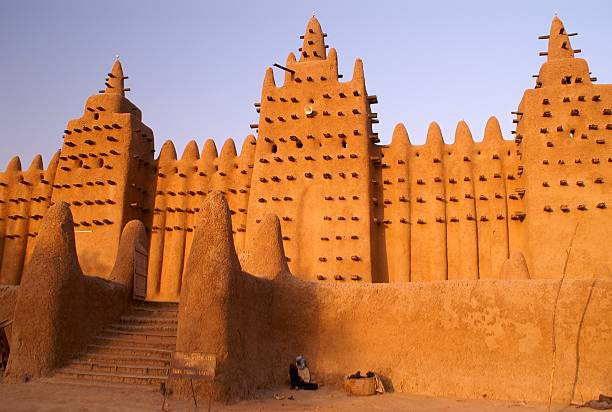
Their grievances periodically erupted into rebellion, including a major uprising in January 2012, when Tuareg fighters, many newly returned from the collapse of Libya’s Qaddafi regime and armed with heavy weapons, launched an insurgency seeking autonomy or independence for northern Mali.
The rebellion was initially led by secular Tuareg nationalist groups, most notably the National Movement for the Liberation of Azawad (MNLA), which quickly seized control of northern territory as Mali’s poorly equipped army collapsed. However, the balance of power soon shifted. Islamist armed groups, including Ansar Dine and al-Qaida in the Islamic Maghreb (AQIM), sidelined the Tuareg nationalists and imposed a radically different vision—one focused not on self-determination, but on enforcing a rigid interpretation of Islamic law. Political chaos deepened when a military coup in Bamako in March 2012 overthrew Mali’s civilian government, further weakening state authority and allowing Islamist groups to consolidate control over Timbuktu, Gao, and Kidal.
Under Islamist occupation, authorities enforced punitive religious edicts, banning music, secular education, and other cultural practices, and targeting what they regarded as “idolatrous” heritage. Timbuktu — a historic center of Islamic scholarship and trade dating back to the 12th century — became a focal point for cultural destruction.
The Heritage Destroyed: Mausoleums and Mosques of Timbuktu
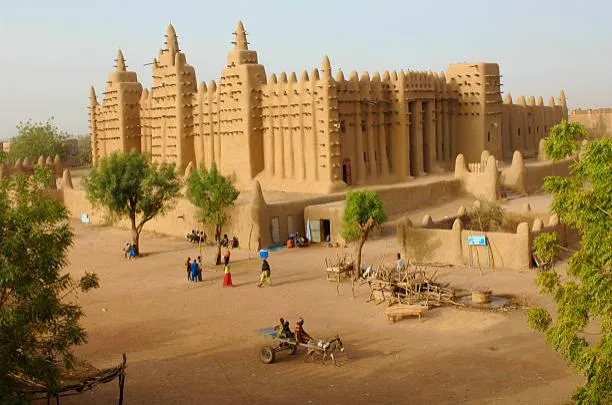
Timbuktu’s ancient monuments embodied centuries of intellectual exchange, spiritual life, and architectural achievement in West Africa. Immensely important both locally and globally, they were inscribed on the UNESCO World Heritage List in 1988 for their “outstanding universal value” as testimony to human cultural history.
Targeted Sites and Their Significance
Between 30 June and 11 July 2012, under the direction and participation of Ahmad al-Faqi al-Mahdi, Islamist fighters attacked ten religious and historic sites including:
Mausoleum of Sheikh Mohamed Mahmoud Al Arawani
Mausoleum of Sheikh Sidi Mokhtar Ben Sidi Muhammad Ben Sheikh Alkabir
Alpha Moya Mausoleum
Sheikh Sidi Ahmed Ben Amar Arragadi Mausoleum
Sheikh Muhammad El Micky Mausoleum
Cheick Abdoul Kassim Attouaty Mausoleum
Ahamed Fulane Mausoleum
Bahaber Babadié Mausoleum
Sidi Yahia Mosque (ancient gate and portions damaged)
These structures not only served as religious sites and pilgrimage destinations but were also living monuments to Mali’s golden age of Islamic scholarship in the 15th–16th centuries, a period when Timbuktu drew scholars from across Africa and beyond. Destroying them was seen by locals as attacking the identity and collective memory of their society, a point emphasized by the ICC Prosecutor at trial. See the slideshow of the destruction here.
The International Criminal Court (ICC) Case: The Prosecutor v. Ahmad al-Faqi al-Mahdi
Under Article 8(2)(e)(iv) of the Rome Statute, it is a war crime to intentionally direct attacks against buildings dedicated to religion, historic monuments, art, science or charitable purposes, provided they are not military objectives. The ICC found that in 2012, within the context of a non-international armed conflict, al-Mahdi intentionally and repeatedly directed attacks against the listed heritage sites, knowing they were protected under international law and significantly important to community identity and history. He pleaded guilty at trial — a rare procedural development — admitting responsibility for the acts and expressing remorse.
On 27 September 2016, the ICC convicted al-Mahdi of the war crime of intentionally directing attacks against protected cultural heritage and sentenced him to nine years’ imprisonment, with time served credited. The Court ordered €2.7 million in reparations to the Timbuktu community and Malian state to rebuild and restore what was destroyed.
During the proceedings, the prosecution presented evidence regarding motivation:
Religious Ideology and Justification:
Al-Mahdi’s role came in the context of Ansar Dine and AQIM enforcing a strict interpretation of Islamic law in Timbuktu. Al-Mahdi wrote and disseminated a sermon specifically dedicated to the destruction of the mausoleums, which was then read during Friday prayers at the start of the demolition campaign. Al-Mahdi also selected the sites, determined the order of attacks, provided logistical support, and oversaw operations — including coordinating personnel and attacking the monuments.Participation in Religious Police (Hisbah):
Al-Mahdi was appointed head of the Hisbah, a morality brigade whose broader role was to impose the occupiers’ religious and social norms on the population. The ICC found that, even if al-Mahdi initially expressed reservations about destroying the mausoleums, he agreed to and actively directed their demolition once he received orders from his superiors.Public Justifications:
Video evidence presented at trial showed al-Mahdi and others actively demolishing the sites with tools like pickaxes, and al-Mahdi himself can be seen and heard justifying the destruction, saying they must “eliminate from the landscape everything that doesn’t belong” according to his interpretation of religious doctrine.
The ICC trial chamber noted that al-Mahdi’s motivation was not military necessity — the buildings were non-military and protected under international law — but rooted in extremist ideological objectives.
Importance and Legacy of the Case
The al-Mahdi case holds important legal and symbolic significance:
Precedent in International Law: It was the first conviction at the ICC focused principally on the destruction of cultural heritage.
Reaffirmation of Legal Protections: It affirmed that intentional destruction of cultural property during armed conflict constitutes a war crime enforceable under Article 8 of the Rome Statute, reinforcing obligations under international humanitarian law such as the 1954 Hague Convention and subsequent protocols.
Universal Value: The case underscored that heritage destruction is not only harm to local communities but an assault on humanity’s shared heritage, contributing to the evolving norm that cultural heritage has erga omnes (community-wide) protection.
The conviction of Ahmad al-Faqi al-Mahdi marked a significant step in international criminal justice by recognizing deliberate destruction of cultural heritage as a punishable war crime. Beyond its narrow legal implications, the case sends a potent message about the value of cultural identity and collective memory, reinforcing that the destruction of what binds societies across time and difference should be met with accountability and, wherever possible, restoration.

